NTUT Sustainability Week Kick-off: Empowering Sustainability through Technology Warm Up for 115th Anniversary
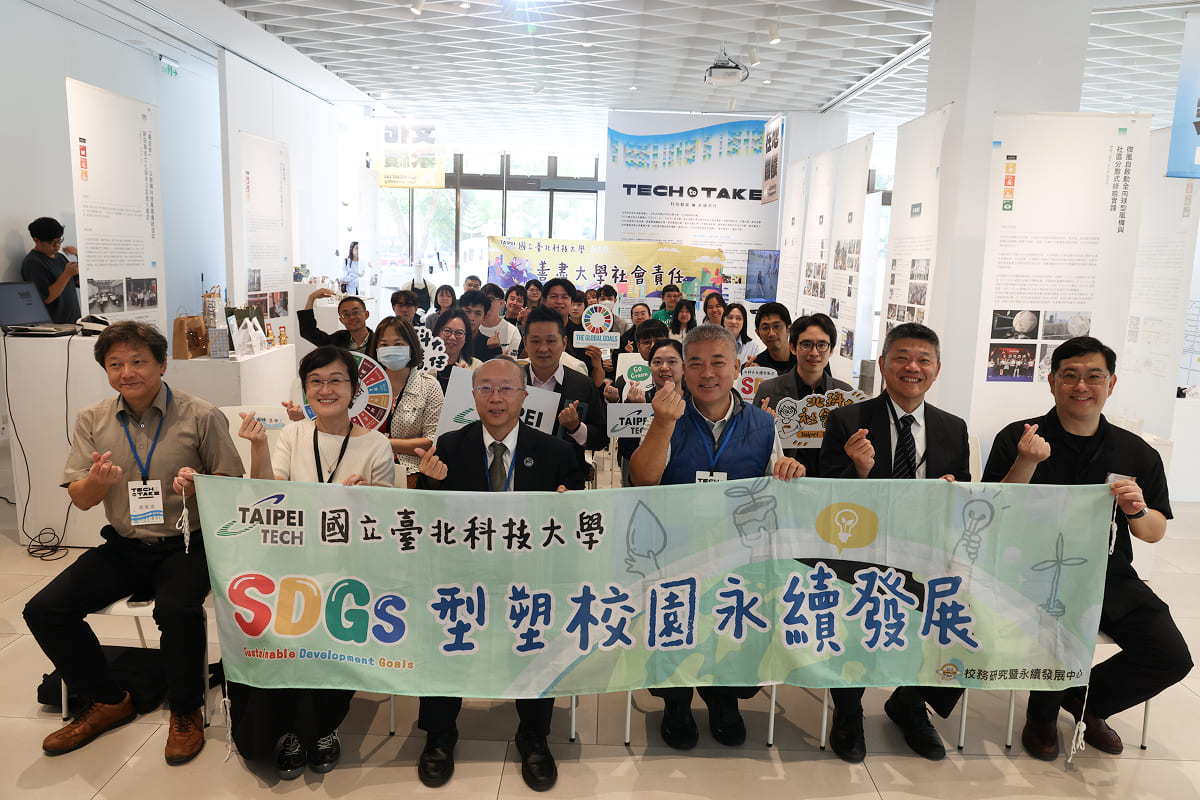
National Taipei University of Technology (NTUT) officially launched the "2026 NTUT Sustainability Week" at the Arts and Culture Center on October 27. Under the theme "TECH to TAKE," the exhibition is divided into five main areas: Cultural Sustainability, Local Care, Environmental Sustainability, Technological Sustainability, and Institutional Sustainability, showcasing the university's remarkable achievements in responding to sustainable development through its technological expertise.
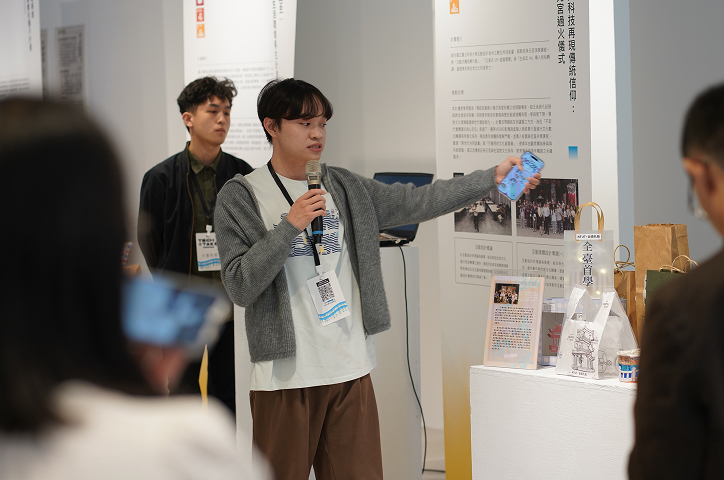
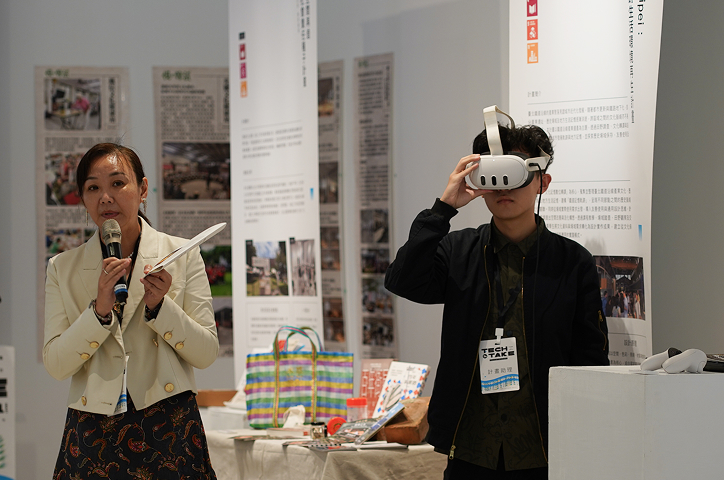
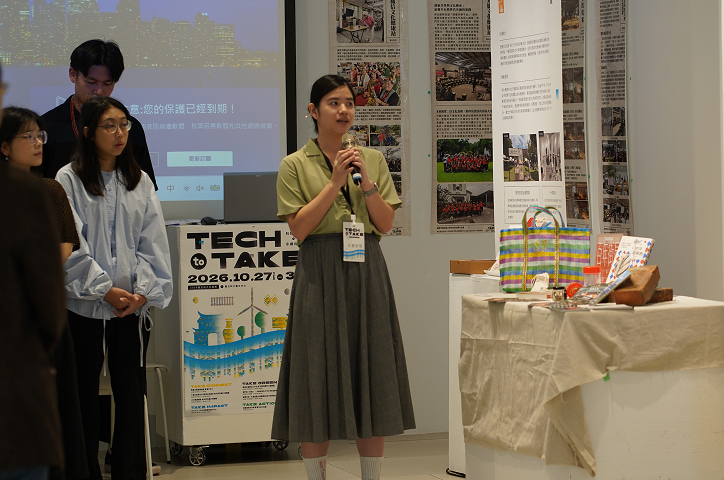
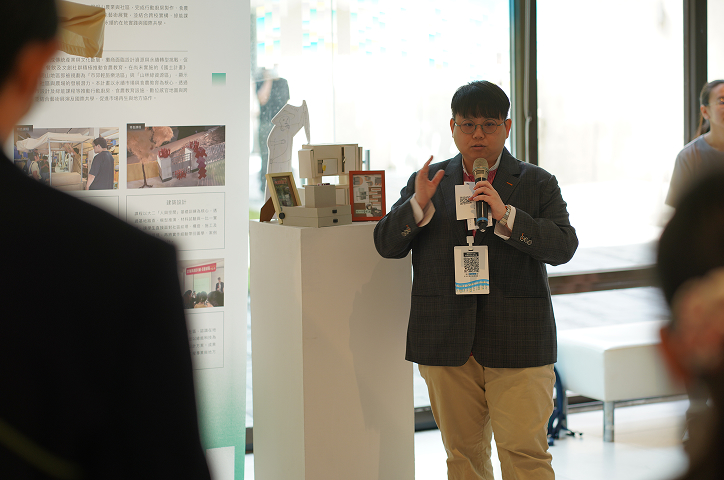
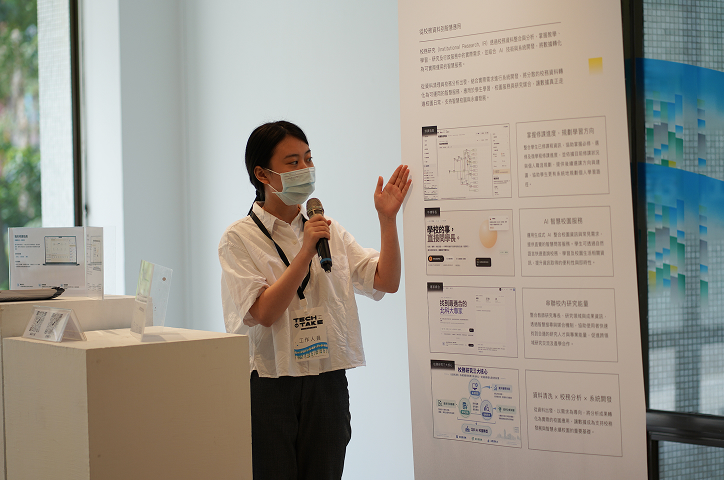
During his speech at the opening ceremony, Vice President Yu-Hsien Huang pointed out that "TECH" represents innovative expertise leading technological and vocational education, while "TAKE" symbolizes taking responsibility and putting actions into practice, with the expectation that technology can step outside the laboratory to solve real-world challenges. Subsequently, project teams from across the university took turns presenting their rich practical achievements to the distinguished guests present.
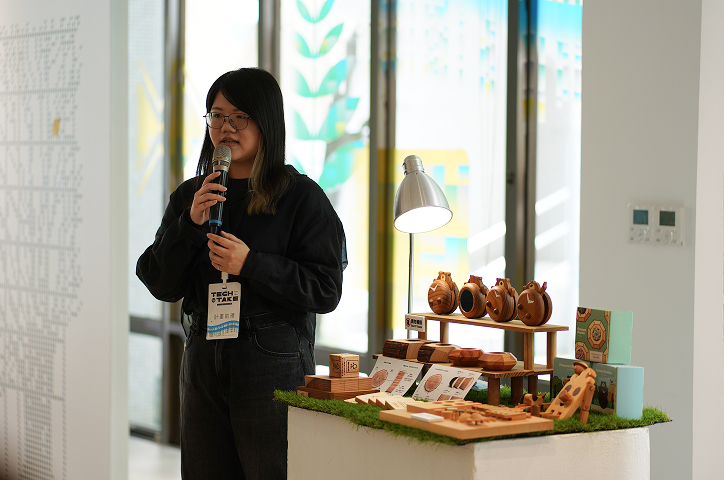
In the Sustainability Achievement Exhibition section, the teams presented several innovative projects, including a breeze self-starting omnidirectional spherical wind turbine that breaks low-wind speed constraints, a carbon dioxide battery system integrating carbon capture and energy storage, an integrated assessment model supporting net-zero transition, an autonomous smart semiconductor fab management system incorporating AI and optimized energy usage, and the "Reconstructed Stone Scenery and Ceramic-Architecture Symbiosis Project," which transforms processing residue and waste tiles into 3D-printed building materials.
In the USR (University Social Responsibility) Achievement Exhibition, project teams engaged deeply in social practices across Taiwan. In northern Taiwan, projects included the "Ni-Hao Mutual Good" project focusing on value-added ceramic painting, the "Beitou Sustainable Market" promoting food and agriculture education, "Xinzhuang Temple Street Studies" utilizing VR and AI for the digital translation of local folklore, "Re-Link Taipei" documenting local memories, and the "National Railway Museum Project" introducing evidence-based architectural medicine to diagnose environmental quality. In central Taiwan, the "Fengyuan NTUT Wood Innovation Center" is dedicated to passing down traditional industry techniques. In southern Taiwan, initiatives covered "Confucian Temple New Voices," which promotes modern translations of Confucian culture, and the "Yiliu Project," aimed at improving ergonomics and promoting local industries. Furthermore, regional and urban-rural spatial regeneration projects focused on urban-rural renewal in Wanhua and the Fengxin Tribe in Hualien.
Through this opening event, the university gathers the initiative and momentum of its faculty and students—guiding everyone to witness achievements, connect through action, and co-create social impact, ensuring that sustainability flows continuously like a river.
Event Highlights