
Exhibition Period|2017/10/02~10/24
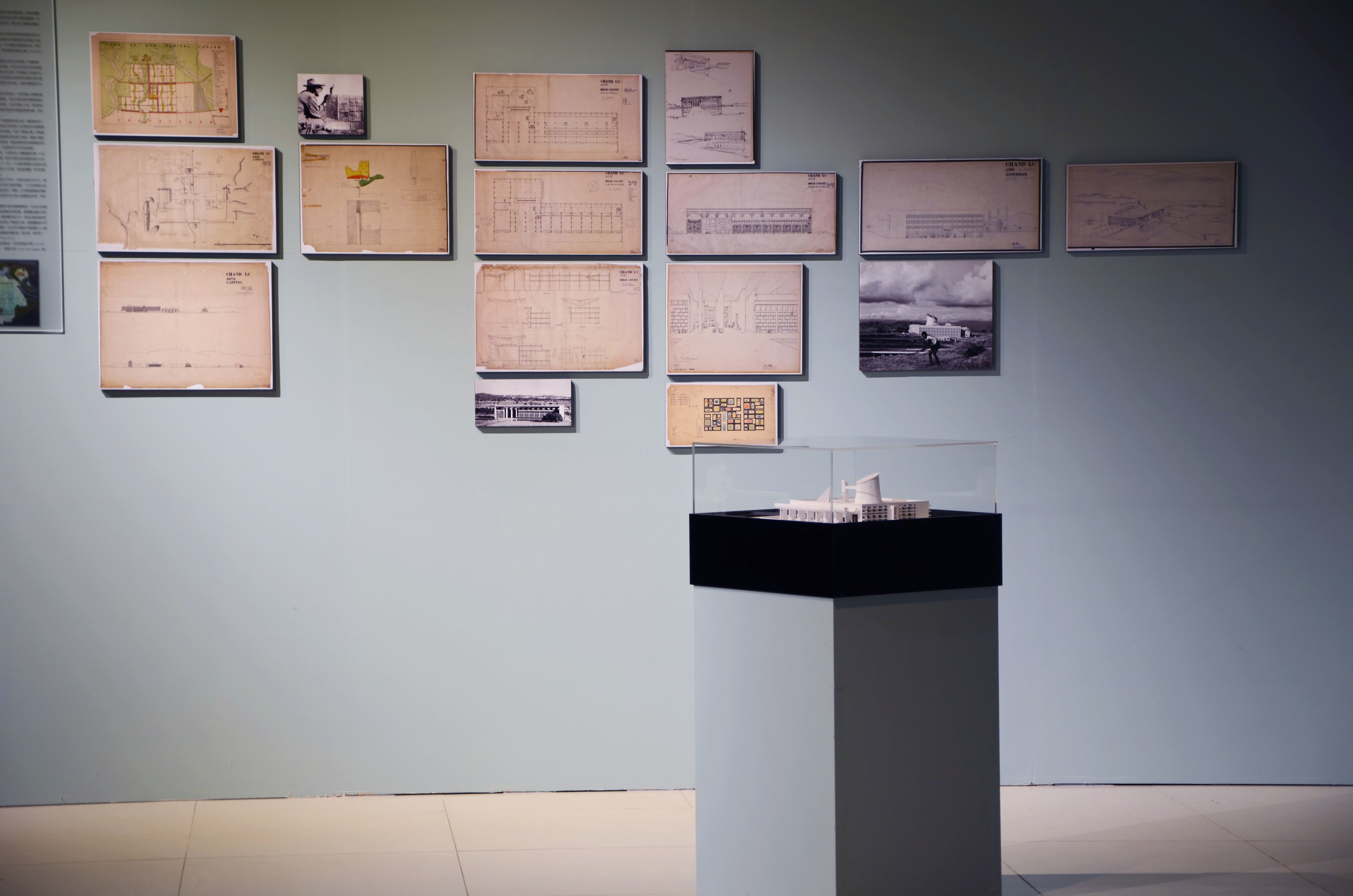
Le Corbusier stands as one of the most influential architects of the twentieth century. His pioneering philosophies regarding built forms and urban spaces gave rise to masterworks across the globe, cementing his status as an iconic symbol of the era. The conceptual frameworks he introduced continue to inspire and provoke endless discourse among his contemporaries and subsequent generations of architects alike. The inscription of Le Corbusier’s architectural works onto the UNESCO World Heritage list holds profound institutional significance, serving as a critical benchmark for the global preservation of twentieth-century Modernist architecture. October 2017 marked the 130th anniversary of his birth. In recognition of his monumental contributions to Modernism, the Department of Architecture at Taipei Tech, in collaboration with Docomomo Taiwan, has organized this commemorative architectural exhibition and international forum to illuminate the outstanding universal value of his lifelong achievements. The concurrent forum brings together an elite panel of international scholars and practitioners, featuring senior researchers from the Fondation Le Corbusier, representatives from the Documentation and Conservation Department of the National Museum of Western Art in Tokyo, and the French chief restoration architect responsible for preserving Le Corbusier’s structures. This dual initiative serves not only as a respectful homage to Le Corbusier's 130th birthday but also as a rich visual narrative. Through curated prints of his architectural blueprints, original conceptual sketches, and physical scale models meticulously handcrafted by Taipei Tech architecture students, the exhibition reintroduces the public to a titan who defined the contours of modern architecture. Ultimately, this project aims to leverage Le Corbusier’s methodologies as a blueprint for Taiwan’s own preservation and restoration policies, spark critical cultural heritage discourses, and ignite fresh conversations surrounding Taiwan's modern architectural legacy.
Performance Highlights